Best Mom in the World, Rhinestone Design Review
When I sit down to evaluate a new digital asset for my embroidery workflow, I am rarely looking for just another pretty picture. I am looking for viability. Does this design hold up under the tension of machine stitching? Will it translate well from a screen to a physical product that a customer will proudly wear or display? Today, I am putting Best Mom in the World, Rhinestone Design through that rigorous mental and practical filter. This is not just about aesthetics; it is about how this graphic functions as a commercial and creative tool for designers, small business owners, and crafters.
First Impressions and Visual Personality
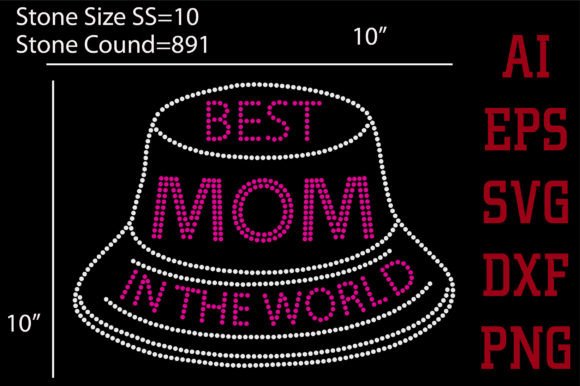
The moment you load the files associated with Best Mom in the World, Rhinestone Design, the intent is clear. The typography-focused layout suggests a celebratory, heartfelt tone. As a designer, I immediately assess the visual weight. Rhinestone designs rely heavily on negative space and the interplay between light reflection and fabric texture. If the lettering is too cramped, the stones will bleed together, creating a muddy mess rather than a crisp statement. Conversely, if the spacing is too loose, the design loses its impact on smaller garments.
This particular graphic strikes a balance that feels appropriate for the "Mom" demographic. It avoids being overly childish while maintaining enough warmth to feel personal. The inclusion of multiple file formats—specifically the jpg 300dpi, dxf file 300dpi, and svg file 300dpi—indicates versatility. For an embroidery artist, the vector files are crucial because they allow for scaling without pixelation, ensuring that the curves of the letters remain smooth when digitized for stitching. The transparent png 300ppi is equally valuable for creating clean mockups, allowing me to visualize the design on various colored backgrounds before committing to thread selection.
Real-World Application: From Screen to Stitch
Let’s talk about where this design actually lives in a real project. Imagine you are preparing a custom embroidered tote bag for a boutique client. A tote bag is a canvas with movement; it folds, stretches, and carries weight. A rigid, dense block of text might crack or distort over time. However, a rhinestone-style application, which often utilizes lighter stitch densities or strategic placement, can add luxury without adding excessive bulk.
I also see this Best Mom in the World, Rhinestone Design performing exceptionally well on soft apparel items like baby onesies or lightweight sweatshirts. In these scenarios, the "rhinestone" aesthetic translates beautifully into a combination of satin stitches for outlines and fill stitches for shading, mimicking the sparkle of actual gems. For an Etsy seller or a maker at a craft fair, this design offers high perceived value. Customers associate rhinestone-like finishes with premium quality, even if the production method is purely thread-based. It elevates a simple white t-shirt into a gift-worthy item.
Furthermore, consider the holiday market. During Mother’s Day or Christmas, personalized gifts drive significant revenue. This design fits naturally into the category of personalized gift items. Whether applied to a kitchen towel, a pillow cover, or a cap, the message resonates emotionally. The key here is brand consistency. If your shop specializes in elegant, understated embroidery, this design must be executed with refined thread choices—perhaps metallics or soft pastels—to maintain that professional edge.
Technical Considerations for Embroidery Designers
Before importing any digital embroidery file into your hooping software, there are critical technical checks. Although the product description lists high-resolution raster images (eps 300dpi, ai 300dpi), remember that these are graphics, not native machine codes. You will need to digitize them yourself or ensure your provider has already created a stable machine embroidery design.
When digitizing, pay close attention to the stitch density. Rhinestone effects often trick the eye into expecting less coverage, but if you use too much fill stitch, the fabric may pucker. I recommend testing the design on scrap fabric first. Use a stabilizer that matches the fabric type—if you are working with stretchy knit fabrics common in custom apparel, a cut-away stabilizer is usually necessary to prevent distortion during washing.
Also, inspect the small details. If the design includes tiny decorative accents or thin serifs, ensure your digitizing software can handle them with a clean satin stitch or running stitch. On dark fabrics, contrast is king. A standard black thread might disappear against a navy background, whereas a bright white or gold could pop. Always test your thread colors against your intended fabric swatch before running a full production batch.
Where to Exercise Caution
No design is universal, and Best Mom in the World, Rhinestone Design has specific limitations based on its typographic nature. Avoid using this on highly textured fabrics like heavy waffle knits or bouclé, where the intricate details of the letters may get lost. Similarly, be cautious with very small hoop sizes. If you attempt to shrink the design too much for a child’s garment or a small patch, the individual characters may become illegible, and the "rhinestone" effect may turn into a blob.
Curved surfaces, such as baseball caps, present another challenge. While the design is flexible in print, embroidery requires the fabric to be held flat. Digitizing this for a curved surface requires advanced techniques to manage the distortion. Additionally, for products that require frequent washing, such as aprons or everyday tote bag design applications, ensure the edges of the design are secured properly to prevent fraying or thread breakage.
Commercial Viability and Final Verdict
For the Etsy seller or small shop product creator, this design offers a strong foundation for a bestseller. The phrase "Best Mom in the World" is evergreen, reducing the risk of seasonal obsolescence. However, success lies in execution. The difference between a mediocre finished product and a professional one is often in the finishing touches: trimming jump threads, pressing the back of the embroidery, and choosing complementary thread colors.
The availability of design assets like the dxf and svg files allows for cross-media creativity. You can use the vector files for heat transfer vinyl (HTV) projects alongside embroidery, offering customers a choice of materials. This versatility increases the value proposition of your listing. Just remember to review the licensing terms carefully. Confirm whether the purchase allows for commercial embroidery of physical goods or if it is restricted to personal use. Assuming commercial rights are granted, this is a robust addition to any craft business inventory.
In conclusion, Best Mom in the World, Rhinestone Design is more than just a cute graphic; it is a versatile tool for creating meaningful, high-value handmade products. By approaching it with technical diligence—checking stitch counts, stabilizers, and fabric compatibility—you can transform this digital clip art into a stunning finished product that customers will cherish. It bridges the gap between digital convenience and tangible craftsmanship, making it a smart choice for modern embroidery entrepreneurs.